Introduction to Cybersecurity in the SMB Context
Cybersecurity is a critical concern for businesses of all sizes, but small to medium-sized businesses (SMBs) face unique challenges. With limited resources and expertise, SMBs often find themselves at a higher risk of cyberattacks. Unlike small to medium-sized enterprises (SMEs), which may have more extensive financial and technical capacities, SMBs, especially those with under 15 employees, must approach cybersecurity in a way that is both effective and feasible within their constraints. This article aims to demystify cybersecurity for SMBs, providing actionable advice that can be directly utilized to enhance security measures.
Understanding the Risks
Cyber threats range from malware and phishing to ransomware attacks. For SMBs, the consequences of such attacks can be devastating, including financial loss, damage to reputation, and legal liabilities. Recognizing the types of threats and understanding that no entity is too small to be targeted is the first step toward protection.
Implementing Basic Cyber Hygiene
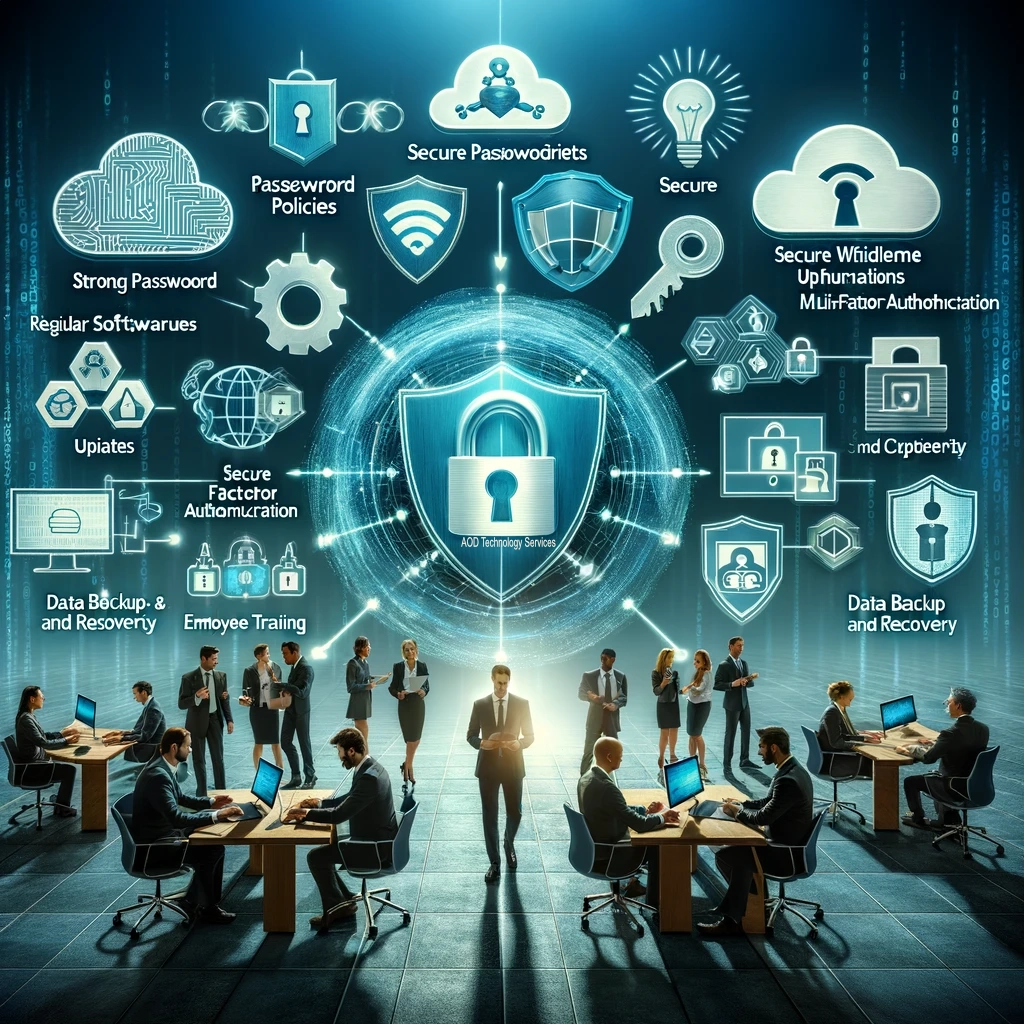
- Strong Password Policies: Enforce the use of complex passwords and consider using a password manager. Regularly change passwords and never reuse them across different accounts.
- Regular Software Updates: Keep all software up-to-date to protect against vulnerabilities. This includes operating systems, antivirus software, and any applications in use.
- Secure Wi-Fi Networks: Ensure that your Wi-Fi network is secure, encrypted, and hidden. Change the default router password to something strong and complex.
Advanced Security Measures
As cyber threats evolve, so should your cybersecurity strategies. Here are some advanced measures SMBs can consider:
- Multi-Factor Authentication (MFA): MFA adds an extra layer of security by requiring additional verification beyond just a password. This can significantly reduce the risk of unauthorized access.
- Employee Training: Regular training sessions can help employees recognize and respond to cyber threats such as phishing emails and suspicious links.
- Data Backup and Recovery: Implement a robust data backup strategy to ensure critical business information can be recovered in the event of a cyberattack. This includes regularly scheduled backups and testing the recovery process.
Leveraging Cloud Services
For many SMBs, cloud services offer a cost-effective way to enhance cybersecurity. Cloud providers typically offer built-in security features that can help protect your data. However, it’s important to understand the shared responsibility model of cloud security and ensure that your business is taking the necessary steps to secure your part of the cloud.
Creating a Response Plan
Despite your best efforts, the possibility of a breach cannot be eliminated. Developing a cyber incident response plan is crucial. This plan should outline the steps to take in the event of a cyberattack, including how to contain the breach, assess the damage, notify affected parties, and report the incident to the relevant authorities.
Cybersecurity Tools for SMBs
There are numerous cybersecurity tools available that are suitable for SMBs. These range from antivirus and anti-malware software to firewalls and encryption tools. Choosing the right tools depends on your specific needs and resources, but the key is to ensure that you have a layered security approach that covers all aspects of your business.
Compliance and Regulations
Understanding and complying with relevant cybersecurity regulations is not only a matter of legal obligation but also serves to protect your business and your customers’ data. For SMBs in certain sectors, such as healthcare or finance, this may involve adherence to specific standards like HIPAA or GDPR.
Partnering with Cybersecurity Experts
For many SMBs, partnering with a cybersecurity firm can provide access to expertise and resources that are otherwise unavailable. These firms can offer tailored advice, monitor your systems for threats, and assist with incident response and recovery.
Conclusion
Cybersecurity is an ongoing process that requires continuous attention and adaptation. For SMBs, the key to effective cybersecurity lies in understanding the unique risks they face, implementing foundational security practices, and continuously evaluating and enhancing their security posture. By taking proactive steps to protect their digital assets, SMBs can significantly reduce their risk of cyber threats and ensure their business remains resilient in the face of evolving cyber challenges.
Remember, the strength of your cybersecurity measures not only protects your business but also serves as a testament to your commitment to safeguarding your customers’ data, ultimately enhancing trust and credibility in your brand.
By adopting the strategies outlined in this guide, SMBs can take actionable steps toward securing their operations against the ever-growing threat of cyberattacks. Cybersecurity is not a one-time effort but a continuous journey that adapts with your business and the landscape of digital threats. Stay informed, stay prepared, and make cybersecurity a cornerstone of your business strategy.
Additional Reading
- Kaspersky provides essential cybersecurity tips for small businesses, including the importance of securing Wi-Fi networks, enforcing strong password policies, and the benefits of using password managers and firewalls. It also touches on the use of Virtual Private Networks (VPNs) and the need to guard against physical theft and ensure third-party security (Kaspersky).
- The U.S. Small Business Administration (SBA) emphasizes the critical nature of cybersecurity for small businesses, highlighting practices like employee training, network security, the use of antivirus software, and enabling Multi-Factor Authentication (MFA). Additionally, it provides guidance on managing Cloud Service Provider accounts, securing sensitive data, and backing up data (SBA).
- The Cybersecurity and Infrastructure Security Agency (CISA) discusses the layered security approach provided by MFA and outlines the responsibilities of a Security Program Manager, including training, incident response planning, and ensuring MFA compliance. It also covers the IT lead’s role in enforcing MFA and the importance of system patching and backups (CISA).
- The Federal Trade Commission (FTC) offers a broad overview of its mission and activities, focusing on protecting consumers and competition and preventing unfair business practices (FTC).
- HoneyBook outlines key cybersecurity threats such as ransomware, DDoS attacks, insider threats, and zero-day attacks. It also provides cybersecurity best practices for small businesses, including the implementation of MFA, the use of password managers, prompt software updates, data backups, antivirus software, and firewall usage (HoneyBook).